How to Maximize Space in Your Dumpster Rental: 10 Smart Loading Tips
Renting a dumpster is one of the easiest ways to handle waste during a home renovation, garage cleanout, or construction project. But simply tossing everything inside isn't always the most efficient approach. Without a plan, bulky furniture, awkwardly shaped materials, and uneven piles of debris can take up valuable space, leaving you with a full dumpster before your cleanup is finished.
Knowing how to maximize space in your dumpster rental can help you fit more debris into your container, reduce unnecessary disposal trips, and potentially avoid the expense of ordering another dumpster.
Whether you're clearing out a home in Overland Park, remodeling a property in Kansas City, or managing construction debris elsewhere in the metro, a few smart loading techniques can make a significant difference.
At Crown Dumpster, we help homeowners, contractors, and businesses choose the right roll-off dumpster for their projects. Below, we'll share 10 practical tips to help you make the most of your rental while keeping safety and weight restrictions in mind.
Choose the Right Dumpster Size Before You Start
The first step toward maximizing dumpster space happens before the container even arrives is choosing the right dumpster size.
Choosing a dumpster that's too small can leave you struggling to fit everything inside. On the other hand, renting a container that's much larger than necessary may mean paying for capacity you won't use.
Start by estimating how much debris your project will generate and what types of materials you'll be disposing of.
Crown Dumpster offers several roll-off dumpster sizes for residential and commercial projects throughout Kansas City.
| Dumpster Size | Approximate Capacity | Common Uses |
|---|---|---|
| 20-Yard Dumpster | 9 pickup truck loads | Kitchen remodeling, flooring removal, home cleanouts |
| 30-Yard Dumpster | 15 pickup truck loads | Major renovations, large property cleanouts |
| 40-Yard Dumpster | 20 pickup truck loads | Construction, demolition, commercial projects |
Remember that dumpster capacity is measured in cubic yards, which describes volume rather than weight.
A dumpster filled with lightweight household clutter may reach its physical capacity before its weight allowance. A dumpster filled with concrete, roofing shingles, or other dense materials may reach its weight limit long before it's full.
Pro Tip: Tell your dumpster rental provider what materials you'll be disposing of before choosing a size. Crown Dumpster can help you find a container that fits both your debris volume and weight requirements
Break Down Bulky Items Before Loading
One of the most effective ways to maximize dumpster space is to reduce the size of bulky items before placing them inside.
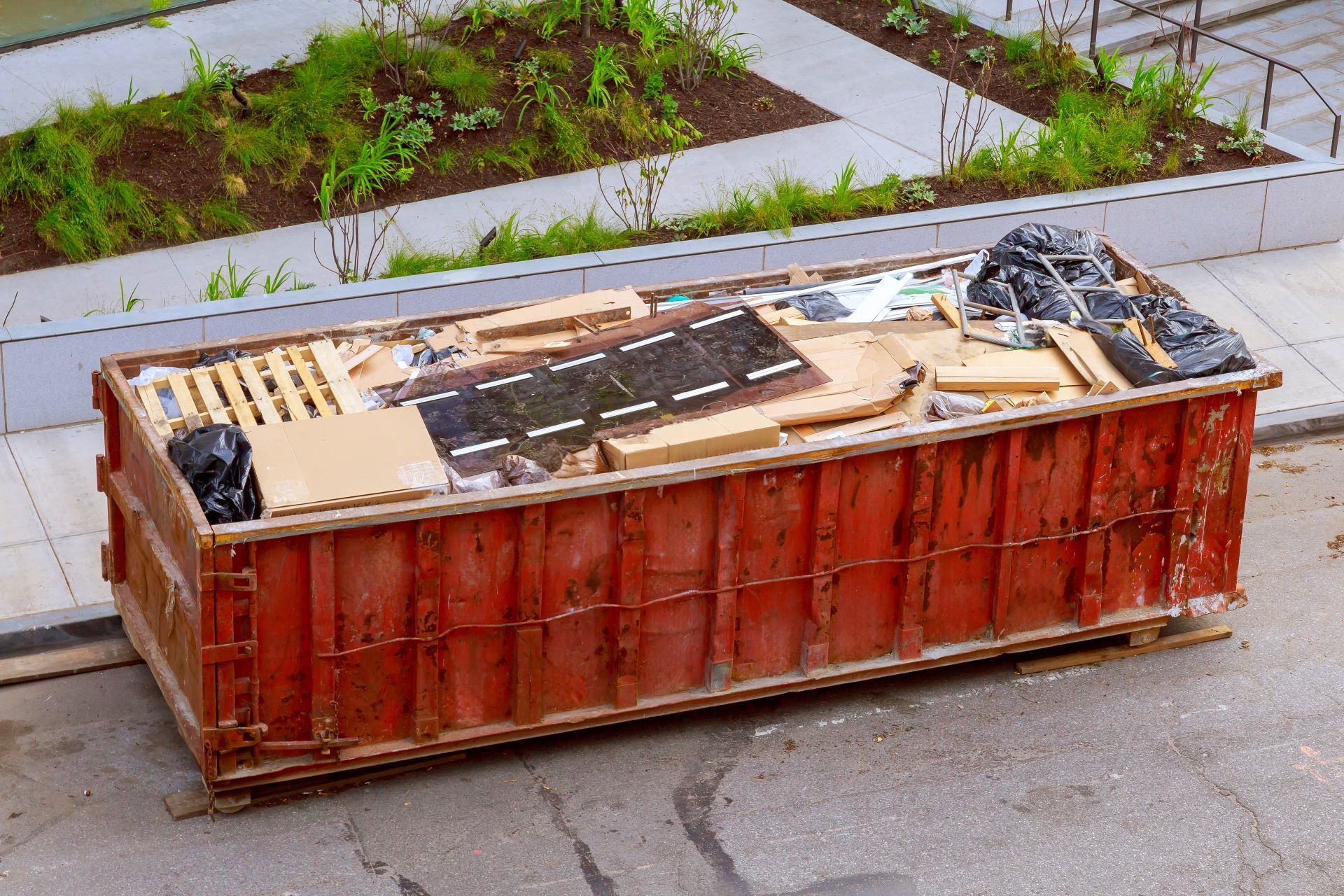
Large furniture, cardboard boxes, shelving units, and construction materials often create empty pockets that waste valuable capacity.
For example, an assembled wooden bookshelf may occupy several cubic feet of space while leaving gaps between shelves. Disassembling it allows the individual pieces to lie flat and fit more efficiently alongside other debris.
Consider breaking down:
- Wooden furniture and shelving
- Empty cardboard boxes
- Cabinets and drawers
- Wooden pallets
- Long pieces of trim or lumber
- Large packaging materials
Whenever possible, flatten or disassemble these items before loading them into the dumpster.
Use appropriate tools and protective equipment, and avoid breaking materials that could contain hazardous substances, sharp fragments, or unknown components.
Pro Tip: Keep a small area near your dumpster for breaking down bulky items before loading them. This helps prevent oversized objects from creating awkward gaps inside the container.
Load Large, Flat Materials Along the Bottom
How you arrange the first layer of debris can determine how efficiently the rest of your dumpster fills.
Rather than throwing materials in randomly, begin with larger, relatively flat items that can create a stable base.
Examples include:
- Plywood and lumber
- Flat cabinet panels
- Approved doors and shelving
- Drywall pieces
- Flooring materials
- Flattened cardboard
Position these materials horizontally when practical, spreading them evenly across the dumpster floor.
This approach reduces empty space and provides a more stable surface for additional debris.
For construction projects, distributing heavy materials evenly is especially important. Avoid concentrating dense debris in one corner or at one end of the container.
Always follow your rental company's loading instructions, particularly when disposing of heavy construction materials.
Fill Empty Gaps With Smaller Debris
Even when large materials are arranged carefully, small spaces will naturally remain between objects.
Instead of leaving these gaps empty, use smaller approved debris to fill them.
For example, after placing broken cabinets or wooden framing inside the dumpster, you may have openings between larger pieces. Smaller wood scraps, loose household junk, or other accepted materials can help fill those spaces.
This technique is particularly useful for:
- Home remodeling debris
- Garage cleanouts
- Furniture disposal
- Construction waste
- Estate cleanouts
Think of loading your dumpster like packing a moving truck. The goal is to use available space efficiently without creating unstable piles or exceeding the container's limits.
Avoid climbing into the dumpster to rearrange debris. Sharp objects, unstable materials, and hidden hazards can make entering a loaded container dangerous.
Pro Tip: Set aside smaller debris while loading large objects, then use it to fill accessible gaps before adding the next layer.
Distribute Weight Evenly Throughout the Dumpster
Maximizing space isn't just about fitting more material inside. Proper weight distribution also plays an important role in safe dumpster loading.
If too much weight accumulates on one side or at one end, it can make the container more difficult to transport safely.
When loading heavy materials such as roofing shingles, tile, brick, or approved concrete, spread them evenly across the bottom rather than creating one large pile.
Keep these guidelines in mind:
- Distribute heavy debris across the container floor.
- Avoid stacking dense materials excessively high.
- Keep the load balanced from front to back.
- Never exceed the specified weight allowance.
- Ask about special requirements for concrete, dirt, brick, and other heavy materials.
Heavy debris can reach a dumpster's weight limit surprisingly quickly.
For example, a container may appear only half full but already contain more weight than the rental agreement allows.
Crown Dumpster offers clearly defined weight allowances for its roll-off dumpsters, helping customers understand their rental limits before loading begins.
Organize Your Debris Before Throwing It Away
A little preparation can make dumpster loading significantly more efficient.
Before you begin filling your container, sort your waste into manageable groups based on size, material, and disposal requirements.
For a home renovation, you might organize debris into categories such as:
- Large wooden materials
- Drywall and flooring
- Small construction scraps
- Household clutter
- Recyclable materials
- Items requiring separate disposal
This allows you to plan how materials will fit together instead of repeatedly rearranging the contents of the dumpster.
Separating recyclable items can also reduce the total amount of waste requiring disposal.
For example, clean cardboard, certain metals, and other recyclable materials may be accepted by local recycling facilities, depending on their condition and the facility's requirements.
Keep prohibited materials separate from your dumpster contents.
Pro Tip: If you're managing a larger construction project, consider establishing a designated debris staging area where workers can organize materials before loading.
Avoid Leaving Large Empty Spaces
One of the most common dumpster loading mistakes is creating tall, uneven piles of debris while leaving unused space elsewhere.
For example, throwing several large furniture pieces into one corner can create a mound that makes it difficult to use the remaining capacity.
Instead, work across the container in sections.
Start near the far end of the dumpster and gradually work toward the loading door, arranging materials into relatively even layers.
As you load:
- Place large, flat materials strategically.
- Position bulky objects to minimize gaps.
- Fill accessible spaces with smaller debris.
- Spread materials evenly across the container.
- Keep the loading area clear and accessible.
Avoid building unstable stacks or creating piles that extend above the dumpster's top edge.
A consistent loading pattern helps you use the available space without constantly rearranging debris.
Use the Dumpster's Loading Door When Available
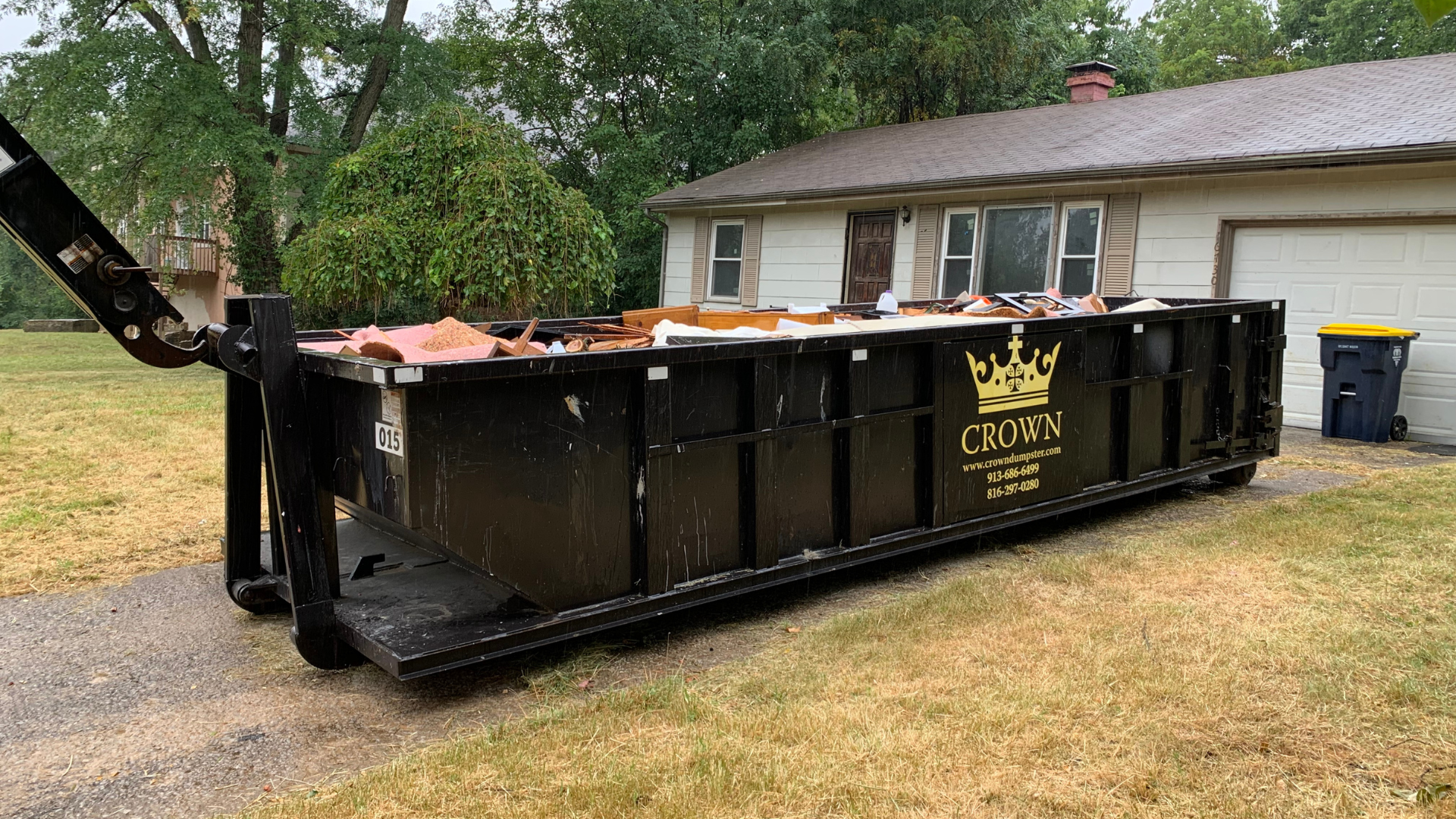
Many roll-off dumpsters feature a rear loading door that allows you to walk or wheel materials into the container while it is empty or lightly loaded.
This can be especially helpful when disposing of bulky furniture, construction materials, or large quantities of household waste.
Rather than lifting every item over the side walls, you can use the door to place materials more precisely.
Benefits include:
- Easier placement of large items
- Better control over debris arrangement
- Reduced need to lift heavy objects over high walls
- More efficient use of floor space
When using a dumpster's loading door, follow the rental company's instructions. Ensure the door is properly secured before loading over the sides, and never attempt to operate it when debris is pressing against it.
Do not enter a partially filled dumpster to compact or rearrange waste. If you're unsure how to use the loading door safely, ask your rental provider for guidance.
Never Overfill Your Dumpster
It's tempting to keep adding debris when your dumpster appears nearly full. However, overfilling can create safety hazards, delay pickup, and result in additional charges.
Roll-off dumpsters have a maximum fill line, typically at the top of the container walls.
Materials should remain below this line so the dumpster can be transported safely.
Avoid:
- Stacking debris above the container's rim
- Leaving boards or other objects sticking out
- Allowing loose materials to hang over the sides
- Exceeding the dumpster's weight allowance
- Adding prohibited items to use remaining space
A dumpster that is overfilled may need to be unloaded before it can be picked up.
If you're running out of space, contact Crown Dumpster before continuing to load. Depending on your project, a dumpster swap or additional rental may be a better solution than attempting to squeeze in more debris.
Remember: Efficient loading means using the available capacity safely, not exceeding the container's limits.
Plan Your Cleanup Around Your Rental Period
Good timing can help you make better use of your dumpster rental.
Before scheduling delivery, think about when your project will generate the most waste.
For example, a kitchen renovation may produce a large amount of debris during demolition, followed by smaller quantities of packaging and construction scraps during installation.
Scheduling your dumpster around the demolition phase can help ensure it's available when you need it most.
For a whole-home cleanout, consider organizing unwanted belongings and identifying prohibited materials before the dumpster arrives.
This allows you to begin loading immediately instead of spending valuable rental time sorting through items.
Crown Dumpster typically includes up to seven days with standard rentals, with extended rental periods available when needed.
If you're planning a longer renovation or construction project, discuss your schedule with our team before booking.
Common Dumpster Loading Mistakes to Avoid
Even with careful planning, a few common mistakes can reduce the amount of usable space in your dumpster or create unnecessary expenses.
Throwing Everything in Randomly
Unorganized loading creates empty gaps and uneven piles. Arrange large materials first and use smaller debris to fill remaining spaces.
Failing to Break Down Furniture
Bulky furniture can consume significant space. Disassemble approved items when practical and safe.
Ignoring Weight Restrictions
A dumpster doesn't need to be physically full to exceed its weight allowance. Heavy materials should be discussed with your rental provider before loading.
Mixing Prohibited Materials With General Waste
Hazardous chemicals, batteries, asbestos, flammable liquids, and certain other materials cannot be placed in standard Crown Dumpster rentals.
Mattresses, tires, appliances, and other specialty items may also have restrictions or require special arrangements. Always confirm current disposal policies before loading.
Waiting Until the Last Minute to Organize Debris
Sorting and planning ahead can help you load more efficiently and avoid unnecessary delays.
Overfilling the Container
Debris extending above the rim can create transportation hazards and may prevent pickup. Always keep materials within the permitted fill level.
Make the Most of Your Dumpster Rental With Crown Dumpster
Affordable Roll-Off Dumpster Rentals Throughout Kansas City
Maximizing space in your dumpster rental starts with a little planning. By choosing the right container size, breaking down bulky materials, organizing debris, and loading evenly, you can make your cleanup more efficient while avoiding unnecessary complications.
Whether you're tackling a home cleanout in Overland Park, remodeling a property in Lenexa,
replacing a roof in Olathe, or managing a construction project in Kansas City,
Crown Dumpster is here to help.
As a locally owned dumpster rental company serving the Greater Kansas City area, we offer transparent pricing, convenient scheduling, and multiple roll-off dumpster sizes for residential and commercial projects.
Not sure which dumpster size is right for your cleanup? Our team can help you estimate your needs and understand the rental requirements before delivery.
Get the right dumpster for your project and make every cubic yard count.
Contact Crown Dumpster today!
contact us for a free estimate!
posts you may like