Top Tips for Efficient Construction Site Cleanup
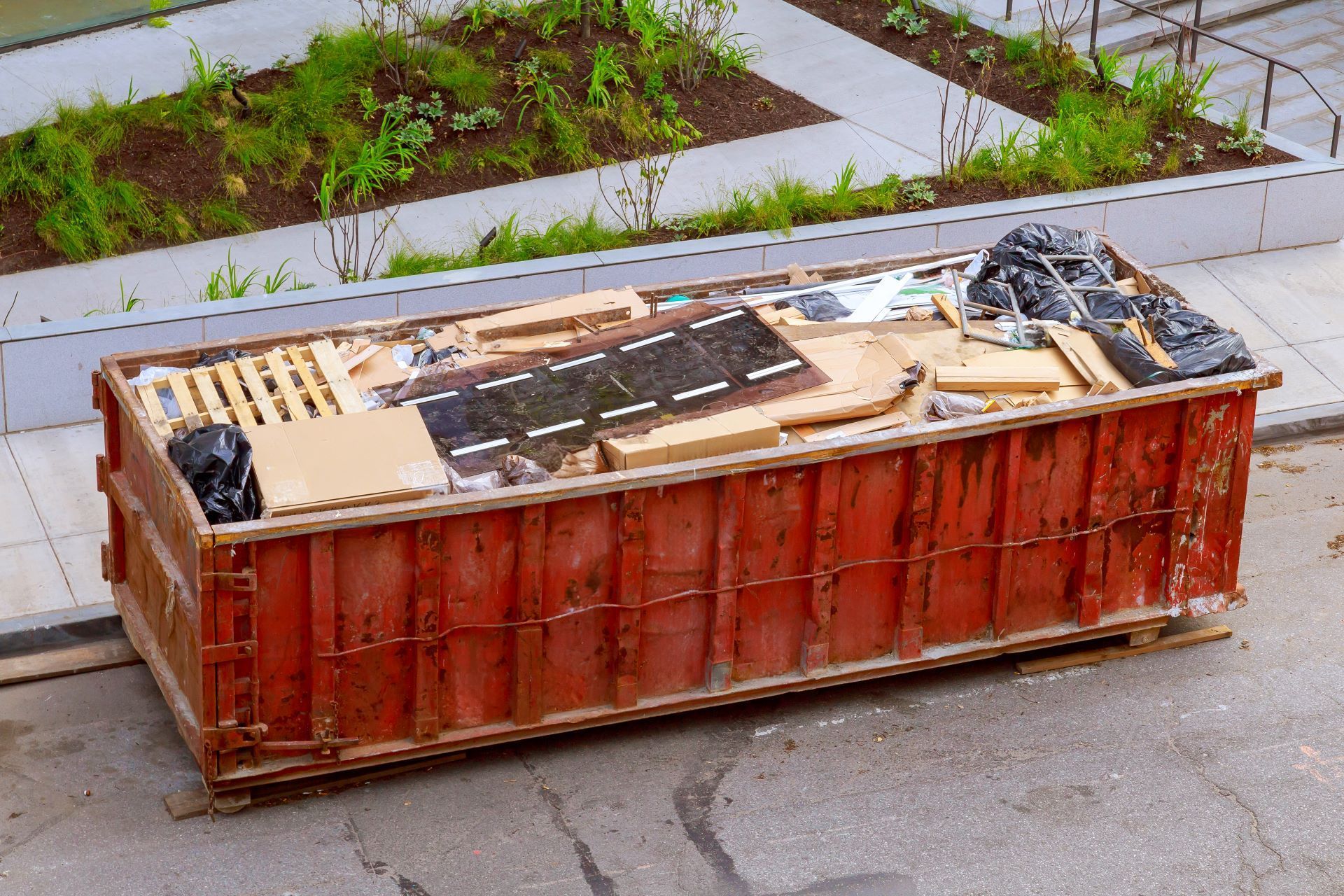
Efficient construction site cleanup starts before the first pile of debris hits the ground. Plan how you'll handle waste, choose the right dumpster, put it somewhere crews can easily access, establish what can go inside, and remove debris throughout the project instead of saving everything for the end.
A good cleanup plan can reduce unnecessary handling of materials, keep work areas and access routes clearer, and prevent debris removal from becoming a last-minute problem.
Whether you're managing a remodel, new construction, roofing project, restoration, or demolition job, these construction site cleanup tips can help you build debris removal into the way your crew works.
Make Construction Debris Removal Part of the Project Plan
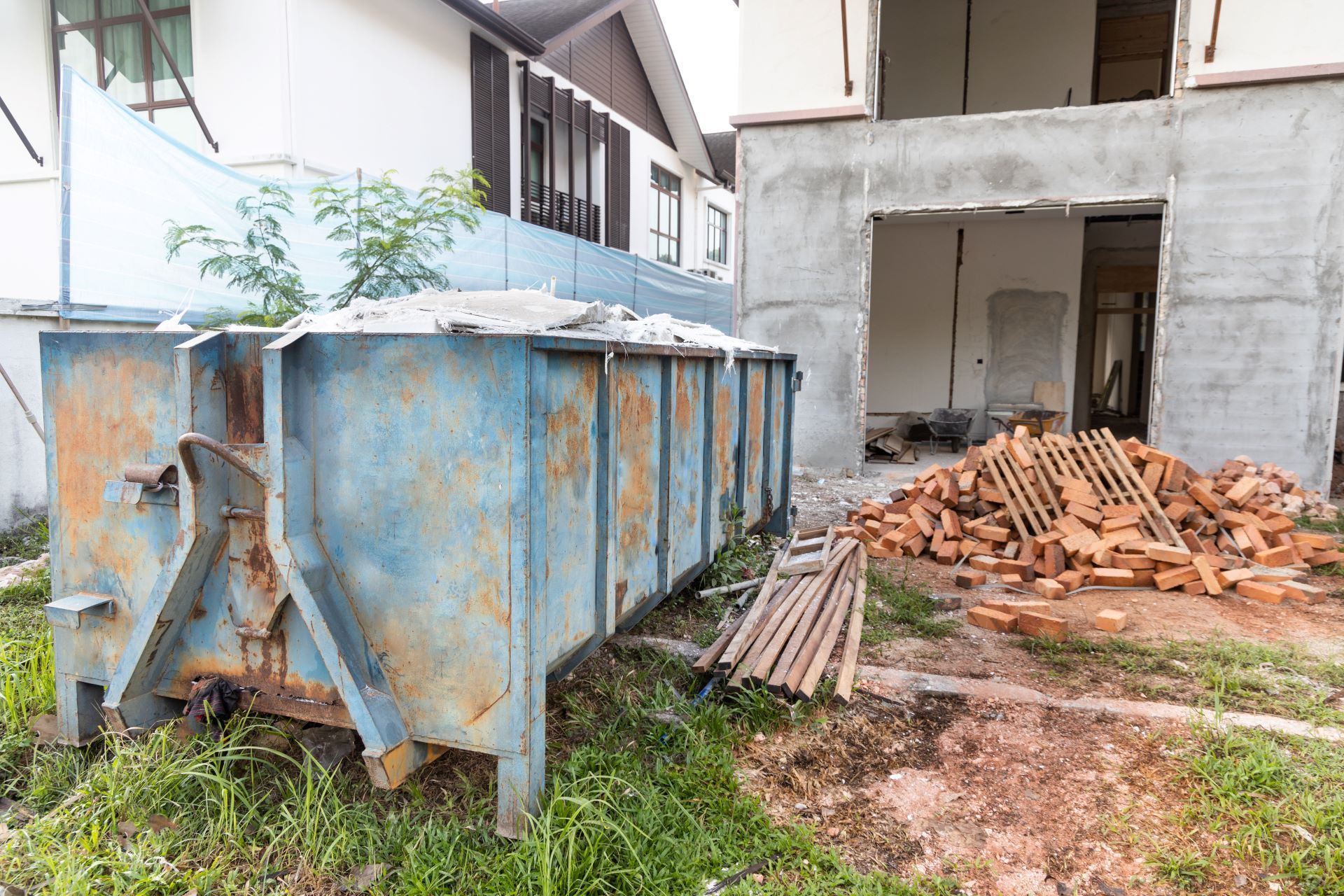
One of the easiest ways to make construction cleanup more efficient is to plan for debris before work starts.
Consider what each phase of the project will generate.
Ask questions such as:
- What materials will we remove?
- How much debris do we expect?
- Will we have particularly heavy materials?
- Where can a dumpster be placed?
- How frequently might we need pickups?
- Will different materials need separate disposal?
- Who will be responsible for managing the dumpster?
Demolition may create a large amount of waste in a short period. Other phases may generate smaller amounts over several weeks.
Planning for those differences makes it easier to have the right disposal capacity when you need it.
If you're not sure what dumpster will work for your project, tell Crown Dumpster what you're building, renovating, or removing. We'll help you consider your options before the debris starts accumulating.
Match the Dumpster Size to the Phase of Work, Not Just the Project
Ordering one dumpster for an entire build and expecting it to carry you from demo through punch-out is where a lot of KC contractors end up with overage charges or mid-project swap delays. The debris changes dramatically between phases, and the container should change with it.
Demolition Phase: When Heavy Material Dominates
Concrete, masonry, and roofing shingles are deceptive. A 10-yard container loaded with concrete can hit its weight limit while still looking half-empty, because dense material reaches the tonnage ceiling long before it reaches the fill line. Crown's heavy-material containers are built for this specific problem, and booking the right one from the start helps you avoid overage fees.
Framing and Drywall Phase: Volume Jumps Fast
Once demo is done, the debris profile flips. Framing scraps, insulation batts, and drywall cutoffs are bulky but light, so you need cubic yards more than tonnage capacity. For a mid-size residential remodel anywhere in the KC metro, a 20- or 30-yard container is typically the right call at this stage.
Finish and Punch-Out Phase: Smaller but Steady
Trim pieces, flooring remnants, and packaging waste trickle in steadily but never in large volume. Keeping a 30-yard roll-off on site for punch-out work is usually overkill; a 10-yard container or a scheduled junk removal pickup often makes more practical sense while freeing up driveway and staging space when other trades are still finishing.
Because Crown Dumpster dispatches locally across the Kansas City Metro and Overland Park rather than routing through a regional hub, swapping containers between phases doesn't mean waiting two days for a truck coming from out of town.
If you're mid-season and juggling phase handoffs right now, getting a quote from Crown before your next trade shows up means you know your container options and pricing before the demo crew swings the first sledge.
How Should You Load a Construction Dumpster to Avoid Overage Charges?
Start with your heaviest material: concrete chunks, brick, and tile go in first, spread flat across the container floor rather than piled toward one end. Uneven weight distribution makes pickup harder, and on uneven ground it raises tipping risk.
Large, flat pieces are worth thinking about before you toss them in. Full sheets of drywall loaded upright against the side walls waste a surprising amount of space. Break them down, lay them flat, and fill vertical gaps with smaller debris.
Weight is where contractors in Kansas City most often get surprised at invoicing. Dense materials like concrete or roofing shingles hit the tonnage ceiling faster than a crew expects. Telling Crown Dumpster your debris types before booking, not after the container is already full, lets them set the right weight allowance from the start.
Prohibited items need their own designated staging area, clearly labeled and away from the general debris flow. When crews are pushing hard to clear space before the next trade arrives, a mislabeled pile of joint compound buckets or old flooring adhesive can end up in the dumpster by accident. A labeled staging corner costs nothing and avoids a much more expensive conversation later.
Put the Dumpster Where Crews Can Actually Use It
Dumpster placement can have a bigger effect on cleanup efficiency than you might expect.
If every worker has to carry debris across the entire jobsite, around equipment, and through a narrow access point, those extra trips add up.
Whenever the property and project allow it, choose a dumpster location that provides a practical route from the work area.
Before delivery, consider:
- Delivery truck access
- Equipment routes
- Worker access
- Material delivery areas
- Overhead clearance
- Ground conditions
- Nearby structures
- Pickup access
- How far crews will carry debris
The dumpster shouldn't interfere with the work you're trying to accomplish.
Think about future phases too. A location that works perfectly during demolition may become inconvenient once new materials or equipment arrive.
Clean as You Go
Waiting until the end of a construction project to handle cleanup usually means handling debris that could have been removed days or weeks earlier.
Instead, make cleanup part of each phase. Think of cleanup as part of the work rather than a separate project waiting at the end.
For example, after demolition, clear the resulting debris before the next major phase begins. When flooring comes out, move it to the designated disposal area rather than stacking it somewhere that will need to be moved again later.
Every time debris gets relocated instead of disposed of, your crew handles it twice.
Keep Your Construction Site Cleanup Moving
fficient construction site cleanup doesn't require making cleanup the focus of the project. It requires making debris removal part of the project.
Plan ahead, choose the right container, place it where crews can use it, establish clear disposal rules, clean throughout each phase, and schedule pickups before debris starts getting in the way.
Crown Dumpster provides construction and
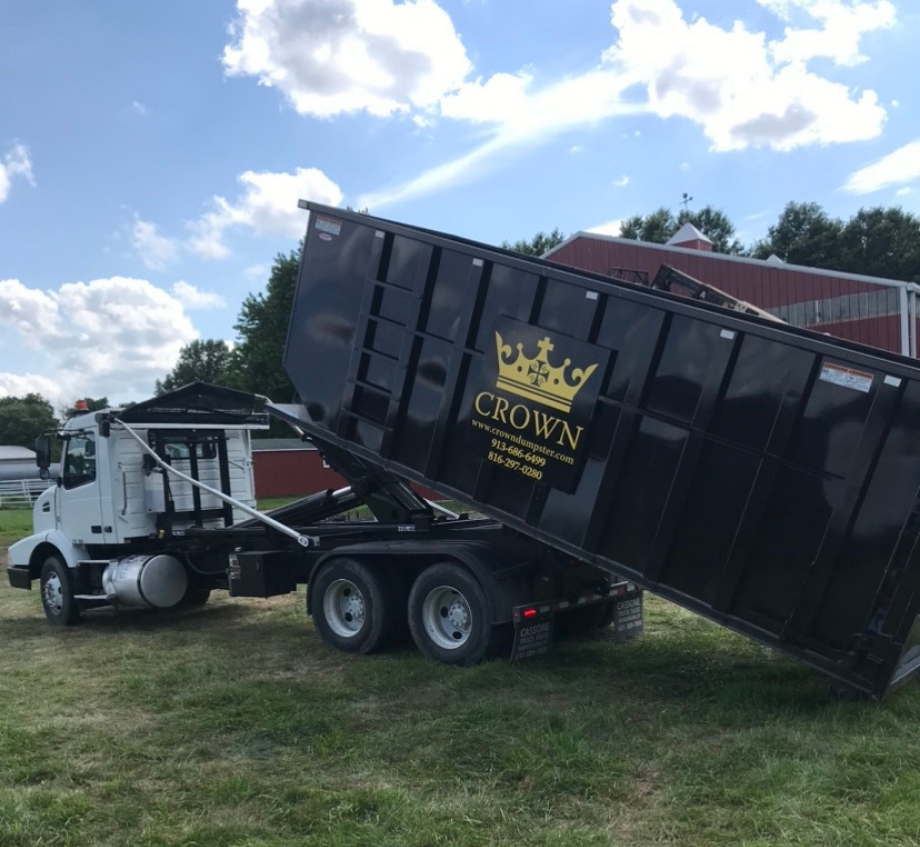
commercial dumpster rentals throughout the Greater Kansas City area, with direct communication, professional drivers, and options for construction debris, roofing, concrete, scrap metal, demolition, and other approved materials.
Here, we treat you like royalty. Contact our team today!
contact us for a free estimate!
posts you may like