Construction Site Cleanup: How Dumpster Rentals Keep Kansas City Job Sites Running
Construction Site Cleanup Starts with the Right Dumpster
Every construction project creates debris. Whether you're building a new home, remodeling a kitchen, replacing a roof, or managing a commercial renovation, waste accumulates quickly. Without a plan to handle that debris, even a well-managed job site can become cluttered, unsafe, and less efficient.
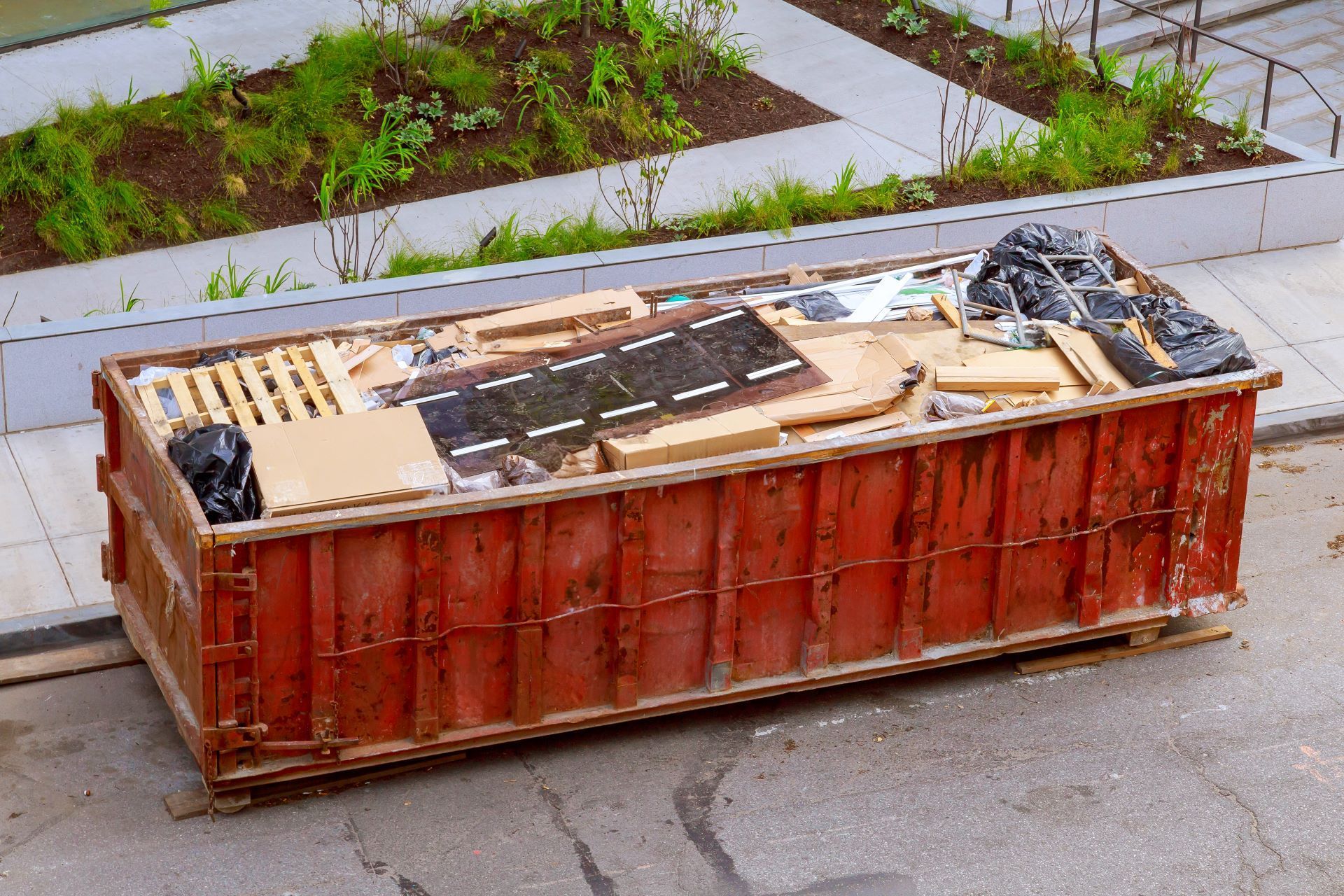
A roll-off dumpster gives your crew one designated place for construction waste from the first day of the project until the final cleanup. Instead of creating piles of debris around the property or making repeated trips to disposal facilities, your team can focus on the work that keeps the project moving forward.
For contractors throughout the Kansas City metro, renting a dumpster is one of the simplest ways to improve job site safety, stay organized, and maintain project schedules.
Why Waste Management Stalls Construction Timelines
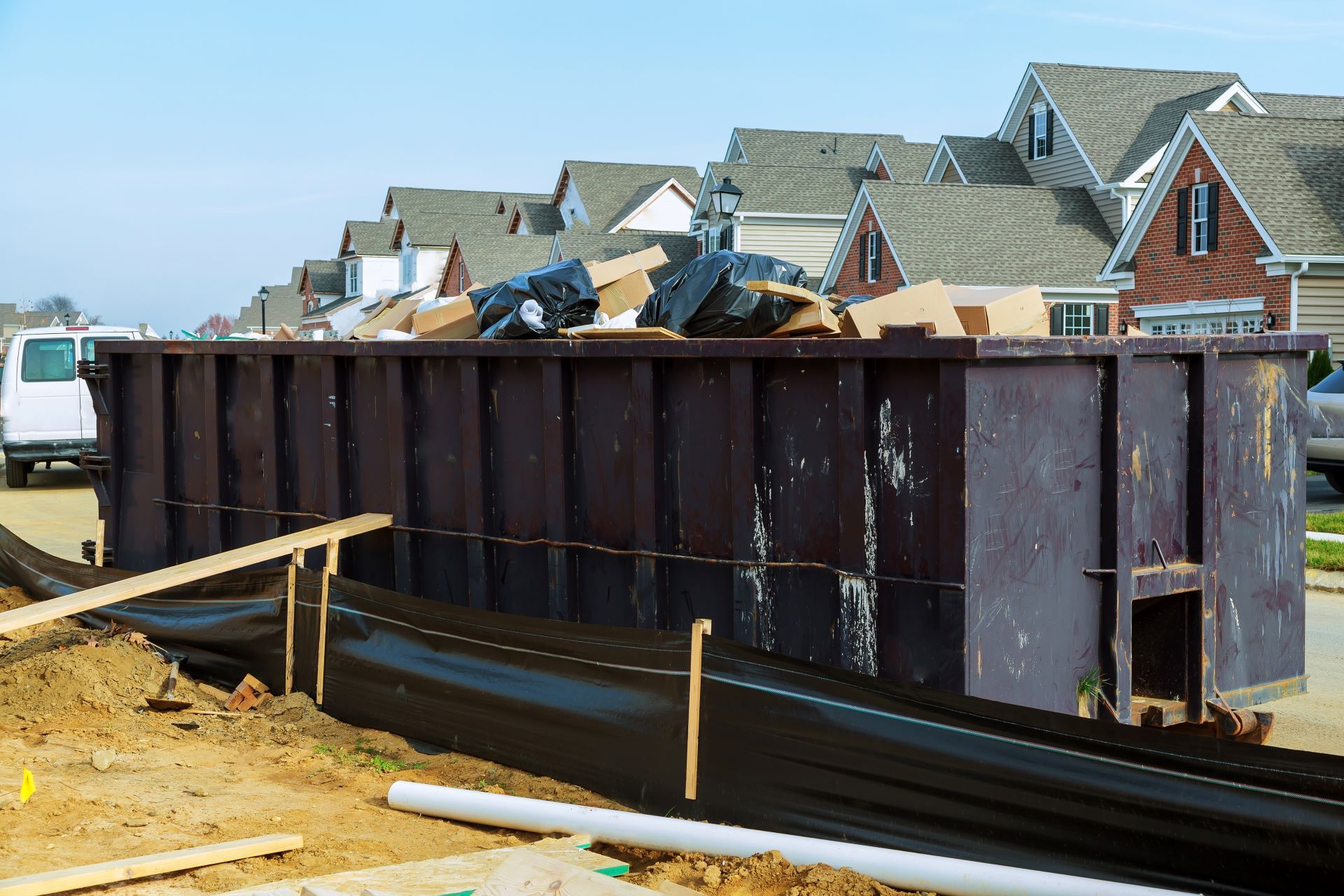
A cluttered job site costs more than it looks. Debris piled in walkways slows crew movement, creates trip hazards that put you on the wrong side of OSHA compliance, and can stop an inspection cold if a city inspector walks the site and finds it in disarray. In Kansas City, where permit windows and inspection scheduling can be tight, a delay at one phase tends to ripple through the rest of the build.
The fallback for many crews, loading up pickup trucks for landfill runs, pulls productive labor off the actual work and adds fuel and dump fees that eat directly into margins. Ad-hoc hauls also mean debris accumulates between trips, which compounds the hazard.
A roll-off dumpster staged in the right spot on your site changes that equation. Your crew has a single, consistent place to offload debris as it's generated, walkways stay clear, and you're not reassigning a laborer every time the pile grows. For
Kansas City contractors managing inspection timelines and permit deadlines, that consistency is the difference between a project that moves on schedule and one that doesn't.
Types of Construction Projects We Support in Kansas City
Crown Dumpster works with GCs, subcontractors, and owner-builders across the Greater Kansas City metro, and the debris profile looks different on every site.
New Residential and Commercial Builds
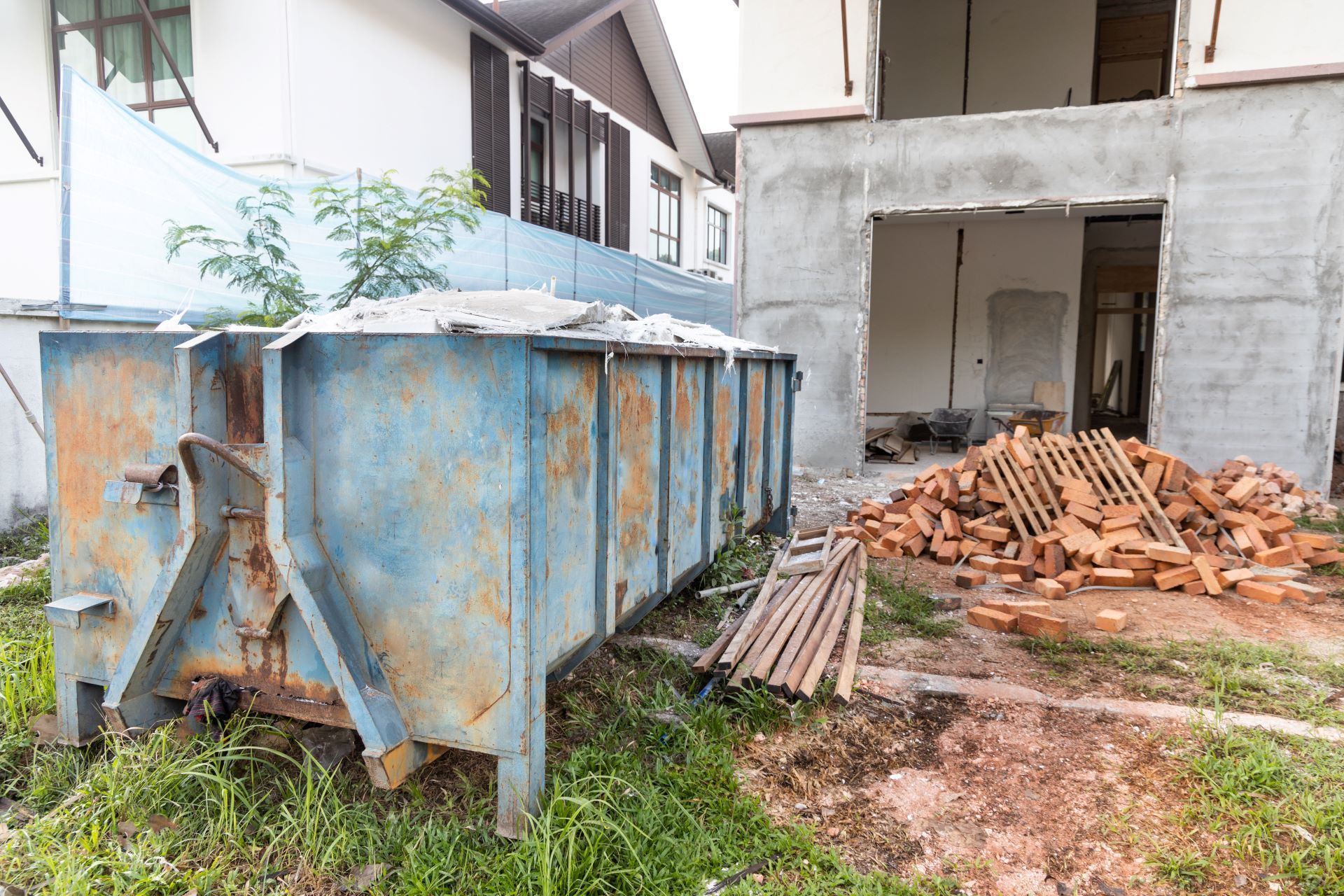
New construction generates a steady, high-volume stream of waste throughout the project cycle. Framing scraps, drywall cutoffs, concrete form waste, and packaging from fixtures and materials accumulate fast. A roll-off dumpster staged on-site from the start keeps that debris contained and off the ground, rather than piling up in corners until someone gets around to dealing with it.
Interior Gut-Outs and Renovations
Renovation work often produces the heaviest mixed loads: tile, hardwood flooring, plaster, cast iron fixtures, blown-in insulation, and cabinetry all coming out at once. These loads are dense, and weight limits matter. Choosing the right container size up front prevents overage fees and delays in the middle of a job.
Roofing and Exterior Work
Roofing debris is heavy and concentrated. A full tear-off produces shingles, underlayment, flashing, and nails in a short window, and that material fills bins faster than most crews expect. A dedicated roofing dumpster positioned close to the drop zone keeps the job moving without forcing your crew to relocate debris twice.
Demolition and Site Clearing
Demo and site clearing jobs often involve concrete, rebar, soil, and salvageable materials that require sorted loads for proper disposal or recycling. Crown Dumpster handles both concrete recycling and scrap metal diversion, so you're not sending everything to a landfill when better options exist.
Choosing the Right Dumpster Size for a Job Site
Sizing a dumpster wrong costs you time in either direction: too small and you're calling for an emergency swap-out while your crew waits, too large and you've paid for capacity you never needed.
Here is a practical breakdown by job type:
10-yard: Single-bathroom demo, minor flooring removal, or a straightforward shingle tear-off on a smaller residential roof.
20-yard: Full room gut-outs, mid-size renovations, or multi-square roofing jobs where material volume adds up fast.
30-yard: The right call for large-scale residential renovations, commercial builds, and any project running multiple weeks. This size handles mixed debris loads without constant swap-outs.
40-yard: Full demolitions, major commercial construction, and new builds where debris accumulates continuously across multiple phases.
One rule holds across all of them: overfilling creates real problems. An overloaded box is a transport liability and a safety hazard on-site, and haulers cannot legally move it. If your estimate puts you right at the edge of a size, go up.
Crown Dumpster can help you work through the right fit based on your project's square footage and the materials involved. Reaching out before you book saves the back-and-forth of a mid-project size change, and the conversation usually takes less than a few minutes.
What You Can Load, and What Has to Be Handled Separately
Standard construction dumpsters accept the bulk of what your site generates: lumber, drywall, concrete, brick, block, roofing shingles, tile, flooring, insulation, scrap metal, and general demo debris. Mixed loads are fine in most cases, so you do not need to sort every material type into separate bins.
A few categories are prohibited and will trigger fees or rejection if found in the box. Hazardous materials, including asbestos, lead paint, solvents, and chemical containers, require separate handling and licensed disposal. Tires, batteries, electronics, and liquids are also off the table.
Heavy material loads deserve a separate conversation before you book. Concrete and brick are dense, and a bin loaded exclusively with masonry can hit weight limits well before it looks full. If your project is generating a significant volume of concrete or scrap metal, Crown Dumpster offers dedicated concrete recycling bins and scrap metal dumpsters sized and priced around those material weights, keeping your sorted loads compliant and your costs predictable.
Ask about weight limits when you book. Overages on construction jobs add up fast, and knowing the threshold upfront lets you plan around it rather than absorbing a surprise charge at pickup.
Scheduling Deliveries Around Your Project Phases
Phasing your dumpster rental around your project timeline keeps you from scrambling at every turn. Demo generates the heaviest, bulkiest debris. Rough-in work produces scrap lumber, metal strapping, and packaging. Finish work brings flooring scraps, trim offcuts, and drywall dust. Each phase has a different volume profile, so lining up the right bin at the right time keeps your site moving without paying for capacity you do not need yet.
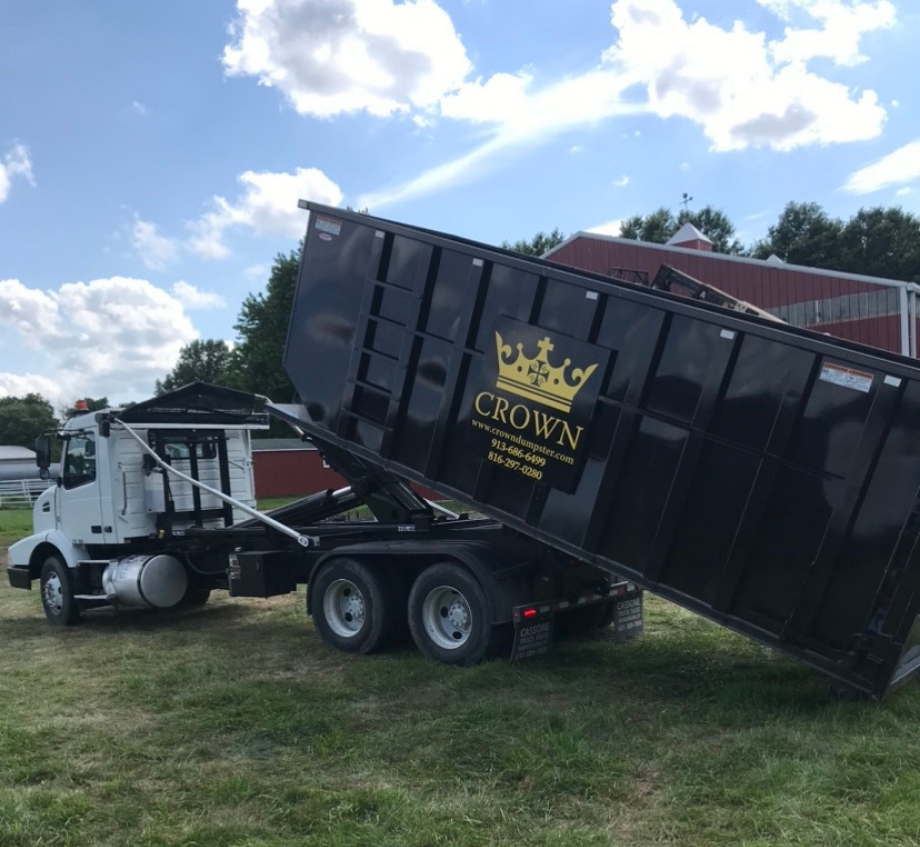
Crown Dumpster offers same-day and next-day delivery across Kansas City and Overland Park when availability allows, so if your demo crew pushes ahead of schedule, you can get a bin on site quickly rather than watching debris pile up on the ground. For projects running several weeks or months, long-term rental rates eliminate the hassle of cycling through short-term bins every few days, and if a bin fills mid-project, swap-outs can be arranged so your crew keeps working without waiting on a hauler.
Before delivery, coordinate with your site supervisor on placement. The driver needs a clear, accessible drop point with enough overhead clearance and ground stability to set the bin correctly. Getting that detail right on the first delivery avoids repositioning delays that eat into your morning.
Placement Logistics and Permit Considerations in Kansas City
Permit requirements across the KC metro vary by municipality, and getting this detail wrong can stall a delivery or draw a citation. On private property, such as a driveway or construction lot, no permit is typically required in Kansas City, MO. Street placement works differently: setting a roll-off bin in a public right-of-way requires a permit from the city, and Crown Dumpster can walk you through that process rather than leaving you to sort through the public works website on your own.
On the Kansas side,
Overland Park,
Olathe, and
Lenexa each handle permits through their own public works departments, so confirm local requirements before your delivery date. Regardless of jurisdiction, keep the bin clear of fire hydrants, ADA ramps, and intersection sight lines, since those restrictions apply everywhere and draw enforcement attention quickly on active job sites.
One practical detail worth noting: placing plywood or boards under the dumpster protects driveways and finished paving from scratches and pressure damage. It takes five minutes to set up and saves an awkward conversation with a property owner after pickup.
Keep Your Kansas City Job Site Running Smoothly
Successful construction projects depend on planning, communication, and organization. A dependable dumpster rental supports all three by providing a safe, convenient place for debris throughout every stage of the project.
Whether you're remodeling a home, replacing a roof, building a commercial property, or managing a demolition project, Crown Dumpster has the equipment and experience to help keep your job site clean and productive.
Contact Crown Dumpster today to discuss your project, choose the right dumpster size, and schedule delivery anywhere throughout the greater Kansas City metro.
contact us for a free estimate!
posts you may like